

One of the biggest challenges in collaborations within the cultural and creative sectors is that participants rarely gain insight into each other’s day-to-day operations. A conference or panel discussion often primarily conveys ideas and strategies, while real learning frequently begins when an institution or community demonstrates how it operates in practice within its own environment.
The Debrecen event of the Visegrad Art Market – happy to share project was designed around this very area. During the program, which took place from August 14–17, 2025, cultural and creative industry professionals from Poland, Slovakia, the Czech Republic, and Hungary gathered in Debrecen to share their experiences through institutional visits, panel discussions, workshops, and informal activities.
The event included four institutional visits, two public panel discussions, craft workshops, a design fair, a bibliotherapy session, and an interactive workshop. The central venue for the programs was the Nagyerdei Water Tower as the central hub of the program functioned as space for professional dialogue, community gatherings, and informal networking.
Creative Industries and Urban Development: Professional Dialogue from a Visegrád Perspective
One of the highlights of Friday’s program was the English-language panel discussion titled “How Does the Creative Sector Contribute to Urban Development?”, featuring participants Eszter Drevenyák (EIT Hungary), Balázs Kövesdi (EDC Debrecen), and Balázs Horváth (Tech in the City), with Péter Gemza moderating the discussion.
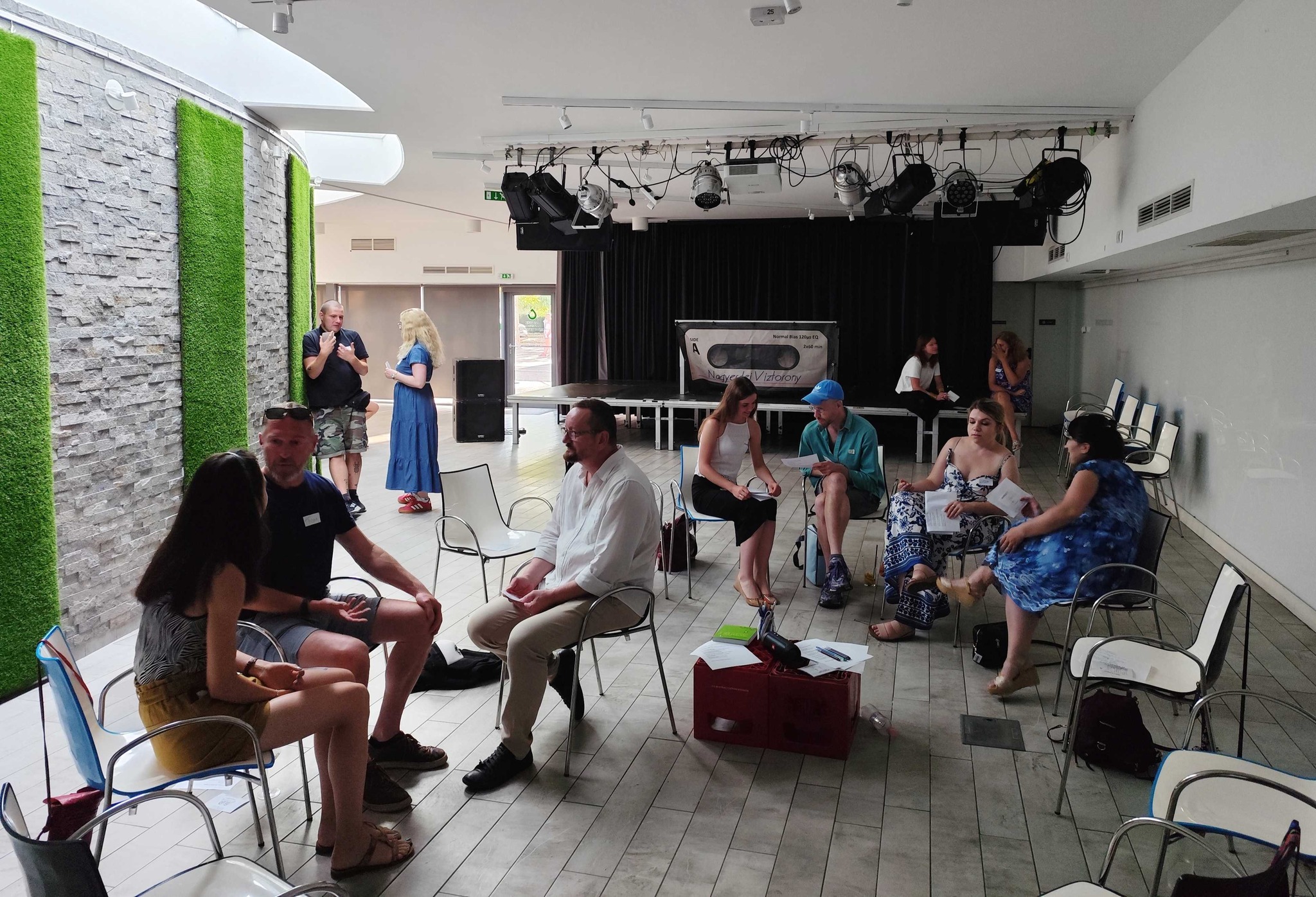
Among other topics, the panel raised the question of what added value the creative sector can generate in areas where the traditional approach to urban planning is no longer sufficient on its own. The discussion highlighted that cultural and creative industry actors play an increasingly important role in shaping urban identity, community connections, and the local economy.
Creative Communities and Young Creators
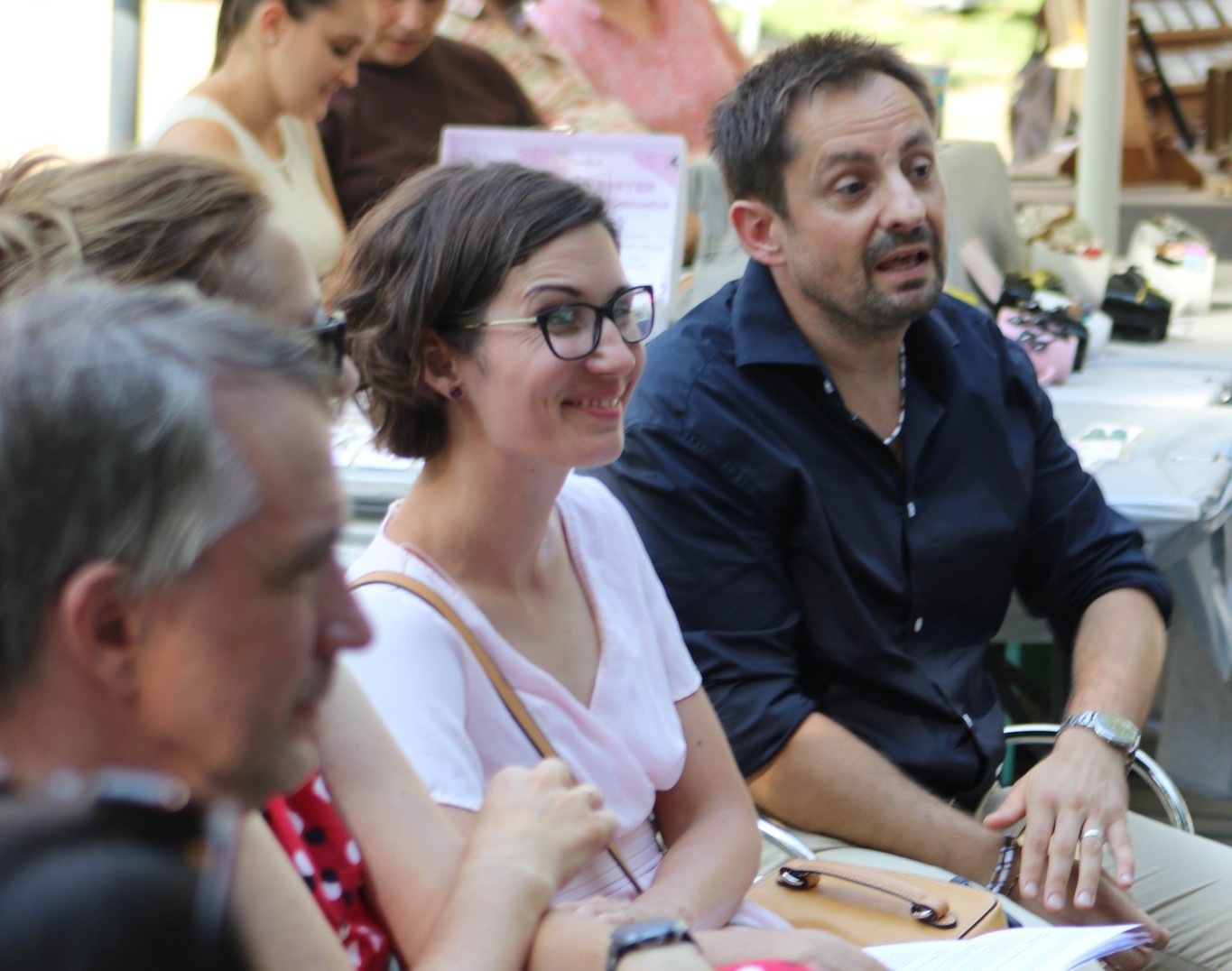
In connection with this, Saturday’s professional program focused on the role of creative communities and young creators. The panel discussion titled “The Role of Creative Communities and Young Creators in Urban Renewal” featured participants Klaudia Mazur (Estrada Rzeszowska), Éva Kopócs (CSAK Design), Ágnes Czibere (Debrecen Creative Community), Béla Lóránt Kovács (Méliusz Juhász Péter Library), and Zsigmond Lakó (DESzínház, University of Debrecen Arts Center), with Eszter Miklós serving as moderator.
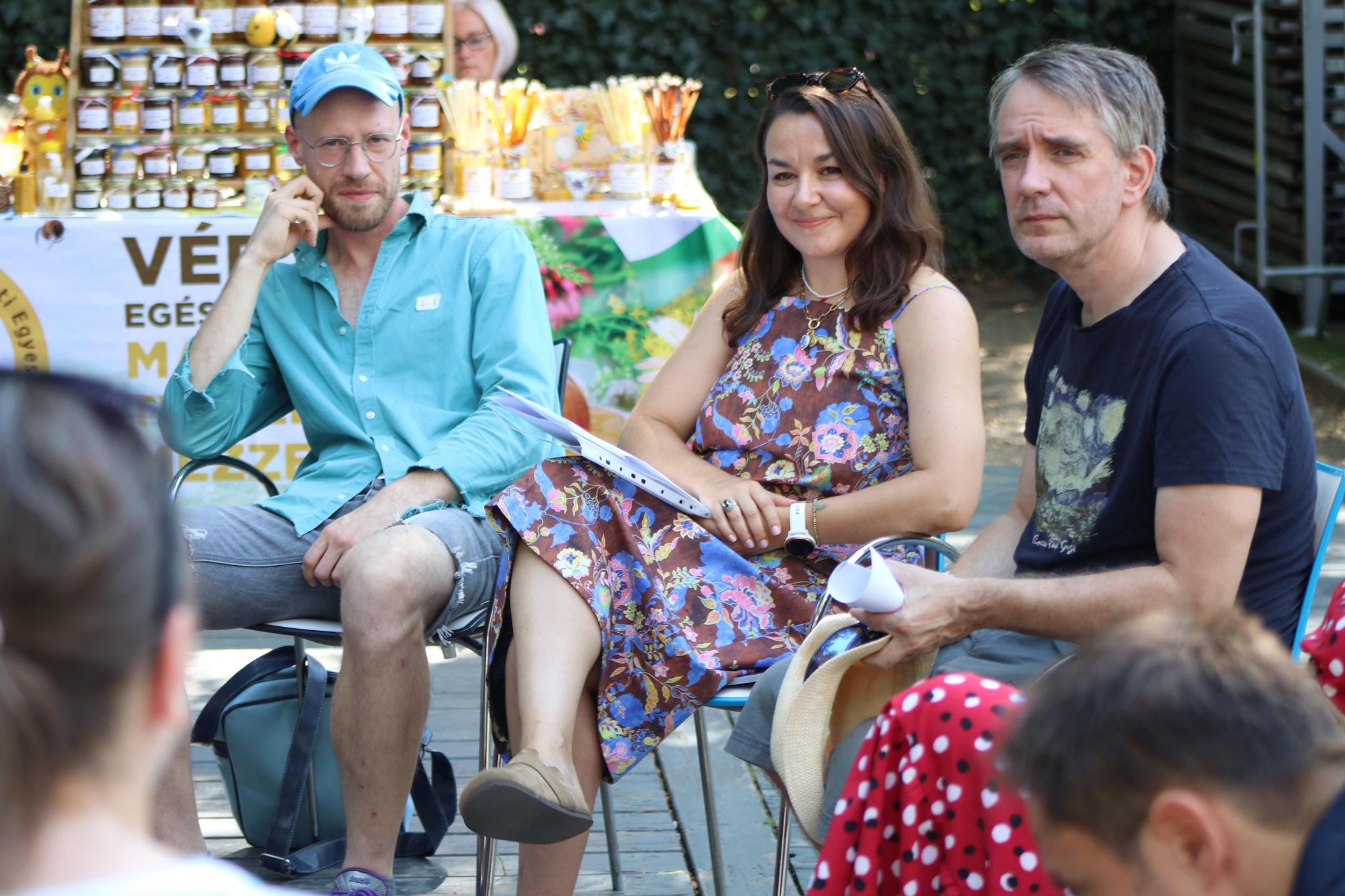
The central question of the panel discussion was how young creators and grassroots creative communities can contribute to urban renewal processes. Through several examples, the participants demonstrated that smaller community initiatives often respond more quickly and directly to urban needs than traditional institutional structures.
A Contemporary Approach and the Living Practice of Tradition
On Friday morning, participants visited the Csokonai Forum building to learn about the operations of the Csokonai Youth Program and KözTér. The group was welcomed by Melinda Gemza. During the visit, participants gained insight into how a traditional repertory theatre structure can incorporate youth and participatory programs that foster active connections with local communities. The next stop on Friday’s program was the DEMKI Tímárház – Folk Crafts Creative House, where Dániel Halász presented the institution’s operations. The visit was complemented by craft workshops and a shared lunch. The program clearly demonstrated that folk art and the preservation of traditions in Debrecen are not primarily manifested in a museum-like form, but rather as a living community practice.
The Role of Grassroots Creative Communities
On Saturday morning, participants had the opportunity to learn about the operations of the Debrecen Creative Community at DESZ24. The program was hosted by Ágnes Czibere. During the visit, participants gained insight into how a self-organized, volunteer-based creative community can become an active player in a city’s cultural life over the long term.
Another key topic of the professional discussion was how creative communities can build relationships with local businesses, and how the cultural and creative industries can become relevant partners in corporate social responsibility (CSR) strategies. Through several examples, participants explored how cultural initiatives can connect with local businesses in the areas of community building, shaping urban identity, or raising social awareness.
The discussion also highlighted that cultural and creative industry actors are often able to create social connections and community experiences that the corporate sector would find difficult to access on its own. Therefore, cultural collaborations may play an increasingly important role in the future in strengthening local companies’ social embeddedness and community presence.
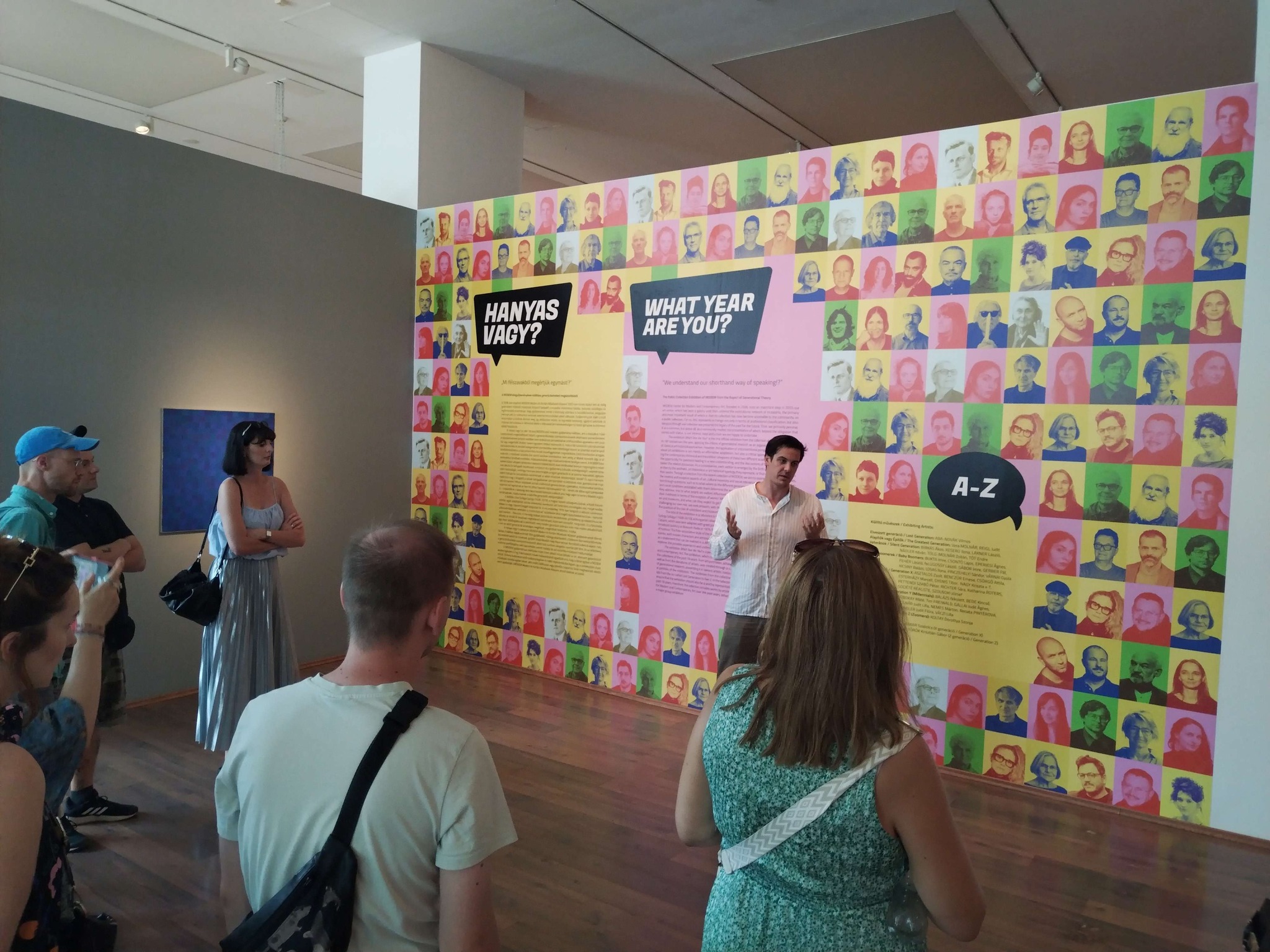
The next stop on Saturday’s program was the MODEM Center for Modern and Contemporary Art, where Krisztián Török presented the institution’s operations and philosophy. During the visit, participants also gained insight into how a contemporary art institution can simultaneously fulfill educational, perspective-shaping and community-building roles within an urban ecosystem.
Knowledge Sharing Through Personal Encounters
As part of Saturday’s program, a bibliotherapy session was held for the international participants, led by Zsuzsa Bagdács (Papírrepülő). The session, titled “Share to be Happy,” was built around everyday experiences of happiness and sharing them. The session served as a particularly important example of how a fundamentally personal and reflective method can be made to work in an international setting. Participants not only encountered a new methodology but also gained firsthand experience of how bibliotherapy can foster community connections and dialogue across cultural and linguistic boundaries.
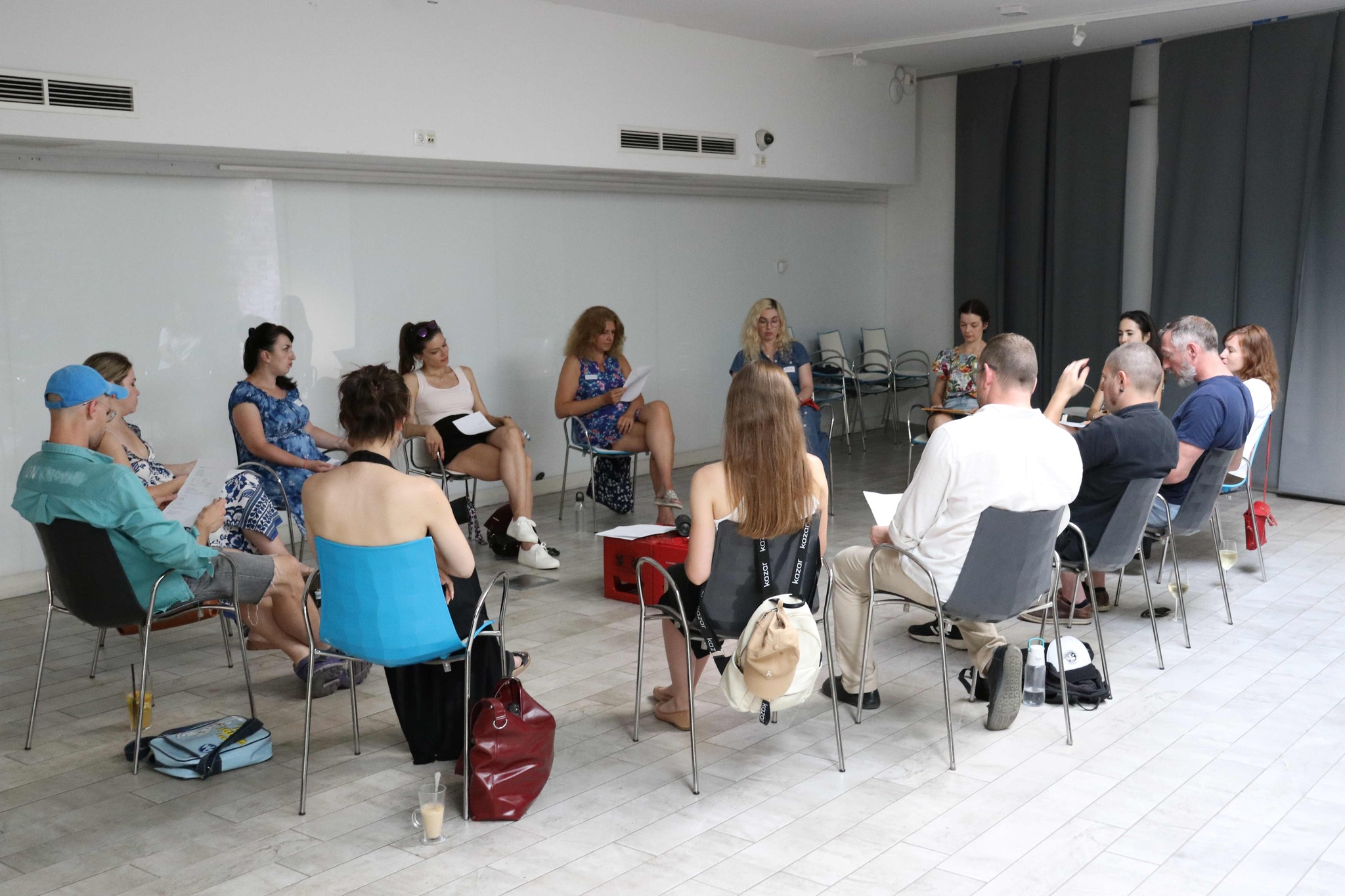
The professional program concluded with an interactive workshop titled “Creativity in Visegrad Cities,” which focused on the Visegrad countries’ experiences with creative urban development and opportunities for future collaboration.
Overall, the Visegrad Art Market program in Debrecen highlighted that one of the most important values of international cultural cooperation is the opportunity to gain direct experience. During institutional visits and professional discussions, not only were best practices revealed, but also the operational logics and community connections that determine the functioning of a creative ecosystem in the long term.
And perhaps this was one of the most important lessons of the Debrecen meeting: creative cities do not emerge spontaneously. They are built through conscious collaboration, open institutions, and active communities—over a long period of time.

